November 16, 2026
Improving a home involves more than updating its appearance. The right projects can make everyday living more comfortable, improve energy efficiency, address maintenance concerns, and increase a property's appeal to prospective buyers. For homeowners planning to stay for many years, these improvements can provide immediate practical benefits. For those considering selling, carefully selected upgrades may also contribute to a stronger resale value and make the property more competitive in the housing market.
However, not every improvement offers the same financial return, making it important to understand which projects deserve priority. Successful home renovations balance personal preferences with long-term property considerations, helping homeowners get the most from their investment without spending unnecessarily. Whether updating an outdated kitchen, replacing inefficient windows, or incorporating modern technology, a thoughtful approach can deliver benefits that extend well beyond the initial construction.
What Home Renovations Add the Most Value to a Property?
Some improvements have a greater influence on property value than others. Generally, projects that improve functionality, address visible deterioration, and enhance curb appeal tend to attract attention from prospective buyers. Exterior improvements, such as replacing an aging front door, updating siding, repairing roofing, and improving landscaping, can create a positive first impression before buyers even enter the property. These projects may also address concerns about maintenance and future repair expenses.
Inside the home, improvements that make existing spaces more functional can be particularly worthwhile. Updating outdated flooring, improving lighting, adding practical storage, and modernizing older fixtures can make rooms feel more inviting without requiring extensive structural changes. Similarly, finishing an unfinished basement or converting an underused room into a functional living space can increase the property's usable square footage.
The best
home renovations typically address genuine shortcomings rather than simply following temporary design trends. Buyers often appreciate neutral finishes, durable materials, and layouts that accommodate different household needs. A highly personalized room may appeal to its current owner but limit the number of prospective buyers who can envision themselves living there.
Are Kitchen and Bathroom Renovations Worth the Investment?
Kitchens and bathrooms are among the most influential spaces when buyers evaluate a property. Because these rooms serve essential everyday functions, outdated layouts, worn surfaces, and aging fixtures can make an otherwise attractive home feel neglected. Updating them can improve both usability and overall market appeal.
Kitchen improvements can range from relatively affordable cosmetic updates to comprehensive remodeling projects. Replacing outdated countertops, installing modern cabinet hardware, improving lighting, and upgrading appliances can make a noticeable difference without requiring a complete reconstruction. Homeowners may also benefit from improving countertop workspace, adding storage solutions, or replacing inefficient layouts that make cooking and entertaining unnecessarily difficult.
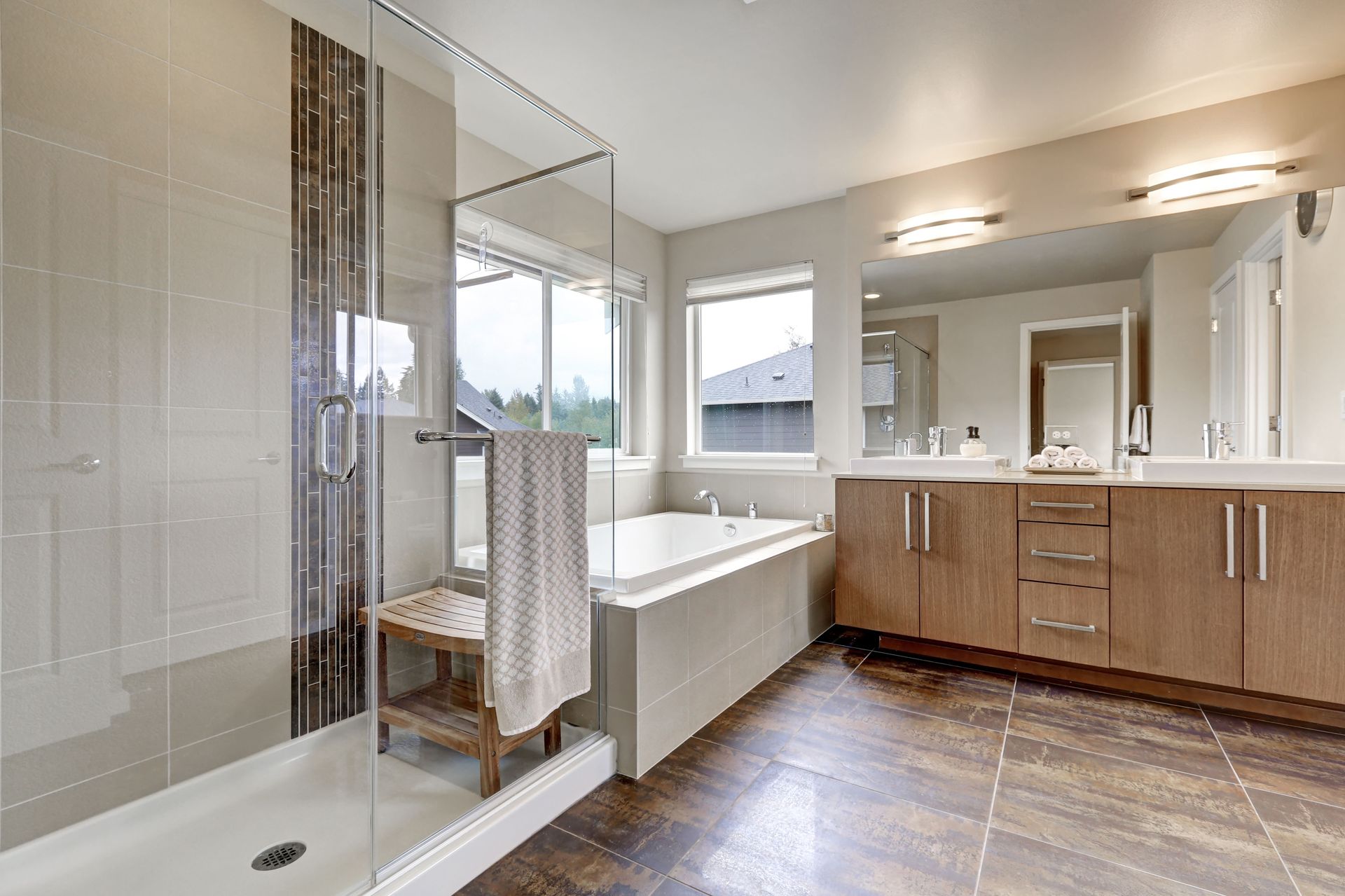
Bathroom improvements offer similar opportunities. Replacing worn flooring, installing contemporary fixtures, improving ventilation, and updating vanities can make the space more comfortable and visually appealing. Better lighting and practical storage can also improve functionality without significantly expanding the project's scope.
However, expensive upgrades do not automatically produce higher returns. A luxury kitchen featuring premium appliances and custom cabinetry may cost substantially more than what comparable properties in the neighborhood can justify. Likewise, converting a standard bathroom into an elaborate spa-inspired retreat may not appeal to buyers who prioritize affordability.
How Do Energy-Efficient Renovations Impact Home Value?
Energy efficiency has become an increasingly important consideration for homeowners and prospective buyers. Improvements that reduce heating and cooling expenses can make a property more affordable to maintain while creating a more comfortable indoor environment. Depending on the project's scope and local market conditions, these upgrades may also strengthen resale appeal.
Insulation is one of the most practical places to start. Improving insulation in attics, walls, and crawl spaces can help maintain consistent indoor temperatures and reduce the workload placed on heating and cooling equipment. Sealing air leaks around windows, doors, and other openings can provide additional benefits, particularly in older homes.
Replacing inefficient windows and upgrading exterior doors can further improve thermal performance. Modern windows with appropriate energy ratings help limit unwanted heat transfer, potentially reducing seasonal utility expenses. Homeowners may also consider high-efficiency heating systems, heat pumps, programmable thermostats, and energy-efficient water heaters.
According to the Congressional Research Service, elevated interest rates have increased financing costs for residential construction and renovation, contributing to slower building activity. However, some easing of interest rates during 2024 and 2025 improved financing conditions for homeowners and builders, potentially supporting renewed housing activity. This broader economic environment matters because financing availability can influence which improvement projects homeowners choose to undertake.
What Is the Cost-Benefit of Renovating for Resale Versus Personal Enjoyment?
One of the most important considerations when planning improvements is determining whether a project should prioritize financial returns or personal satisfaction. Although these objectives sometimes overlap, they do not always produce the same renovation decisions.
Homeowners preparing to sell within a relatively short period may benefit from concentrating on improvements that address obvious problems and appeal to a broad audience. Fresh paint, updated flooring, improved lighting, landscaping, and minor kitchen or bathroom updates can make a property more attractive without requiring an extensive financial commitment. Addressing deferred maintenance is equally important because visible problems may discourage buyers or lead to lower offers.
Conversely, homeowners intending to remain in their properties for many years have more flexibility to prioritize personal preferences. Expanding a kitchen, creating a dedicated home office, installing a larger shower, or developing an outdoor entertainment area may significantly improve everyday life even if the financial return is uncertain.
The length of time homeowners expect to remain in the property should influence their decisions. Someone planning to move within two years might reasonably prioritize projects with immediate market appeal. Someone expecting to stay for another decade may receive considerable value from improvements that make the home more enjoyable throughout that period.
Budget management is essential in either situation. Establishing realistic spending limits, obtaining multiple contractor estimates, and accounting for unexpected expenses can help prevent projects from becoming financial burdens. Homeowners should also avoid assuming that every dollar spent will translate into an equivalent increase in property value.
How Can Smart Home Technologies Enhance Property Value?
Smart home technology offers another opportunity to improve convenience, efficiency, and property appeal. As connected devices become increasingly common, buyers may appreciate homes equipped with systems that simplify everyday tasks and provide greater control over household functions.
Smart thermostats are among the most practical additions. These devices allow homeowners to adjust heating and cooling schedules, monitor indoor temperatures, and manage settings remotely. Depending on household habits and equipment compatibility, they may also help reduce unnecessary energy consumption.
Smart lighting systems provide additional flexibility by allowing users to control brightness, establish schedules, and operate fixtures through mobile applications or voice commands. Similarly, smart locks and video doorbells can offer convenient access management and additional awareness of activity around the property.
More comprehensive systems can connect lighting, security equipment, thermostats, and other household devices through a centralized platform. However, compatibility should remain a priority when selecting equipment. Buyers may be less interested in complicated systems that require proprietary applications, expensive subscriptions, or specialized technical knowledge.
Strategically planned improvements can deliver meaningful benefits for homeowners while helping protect and potentially increase property value. From modernizing kitchens and bathrooms to improving energy efficiency and incorporating smart technology, different projects address different priorities. If you're looking for practical and beautiful home remodeling, reach out to Wayco Construction, Inc today!