July 13, 2026
Homeowners often consider improving their living spaces when rooms feel outdated, layouts no longer meet daily needs, or major systems begin to show their age. Thoughtful home renovations can address these concerns while making a property more comfortable, functional, and visually appealing. They can also strengthen long-term value by correcting worn features, improving energy performance, and creating spaces that better match current buyer expectations.
The greatest benefits usually come from careful planning rather than making changes simply for appearance. A successful project considers how a household uses each room, which upgrades will deliver lasting value, and how the work will affect the rest of the property. With clear priorities and professional guidance, homeowners can make improvements that support both everyday living and future resale potential.
Improving Everyday Comfort
Comfort is one of the most immediate reasons homeowners invest in home renovations. A house may have enough square footage, yet still feel inconvenient because of poor layouts, limited storage, uneven temperatures, or aging finishes. Renovating gives homeowners the opportunity to resolve these issues and create rooms that feel more enjoyable to use.
Changes such as opening a cramped kitchen, improving bedroom storage, adding better lighting, or upgrading worn flooring can make a noticeable difference in daily life. Even smaller improvements can reduce frustration and help the home feel more organized. When every area serves a clear purpose, the property becomes easier to maintain and more comfortable for everyone who lives there.
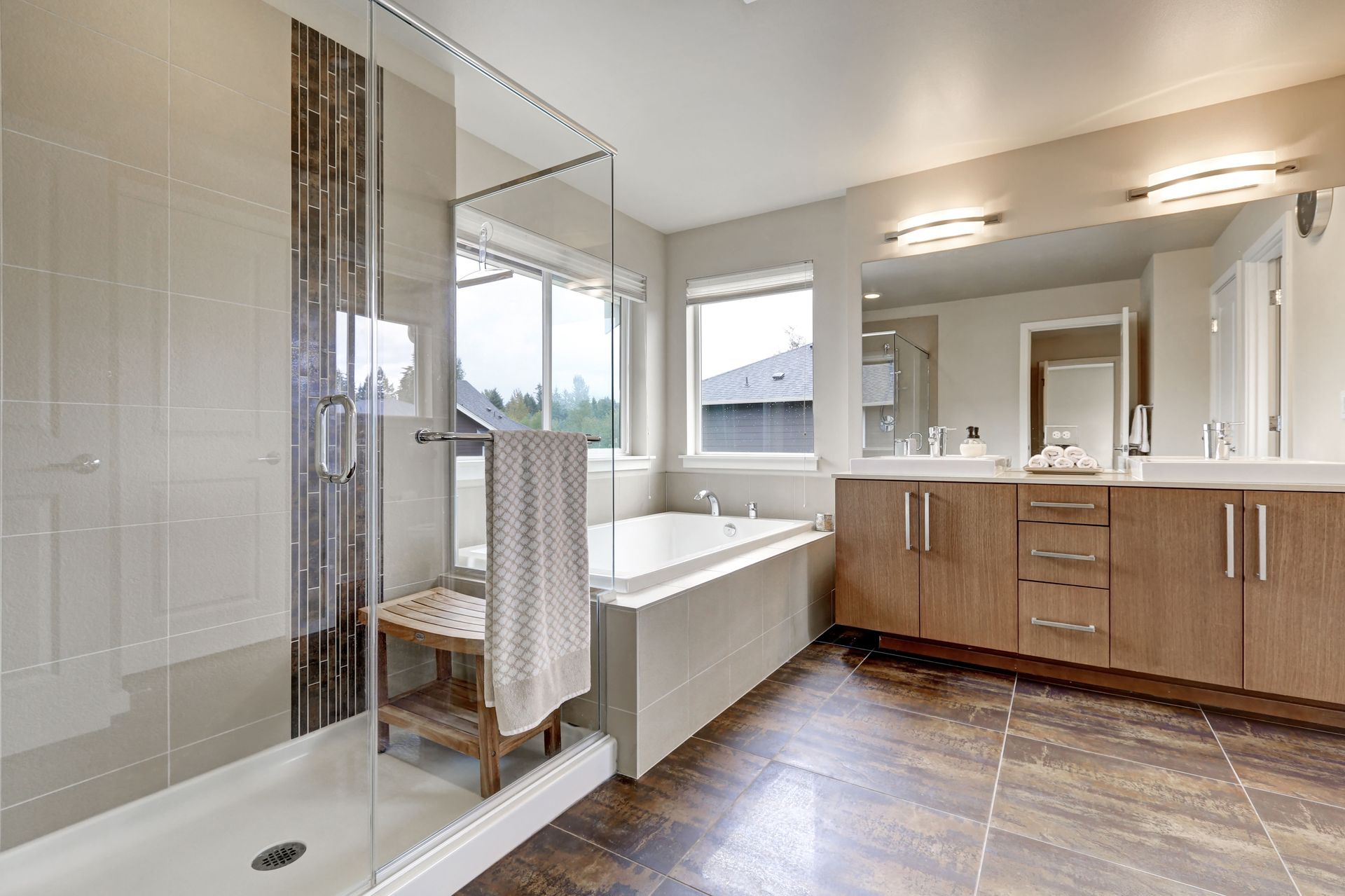
Comfort can also include improved accessibility. Wider walkways, first-floor living spaces, walk-in showers, and easier-to-reach storage may help residents remain comfortable as their needs change. Planning these features early can make the home more practical for the long term.
Creating More Functional Spaces
A well-designed home should support the way its residents actually live. Older homes may include closed-off rooms, undersized kitchens, limited electrical access, or spaces that no longer have a useful purpose. Home renovations can correct these problems by reorganizing layouts and assigning each area a more practical function.
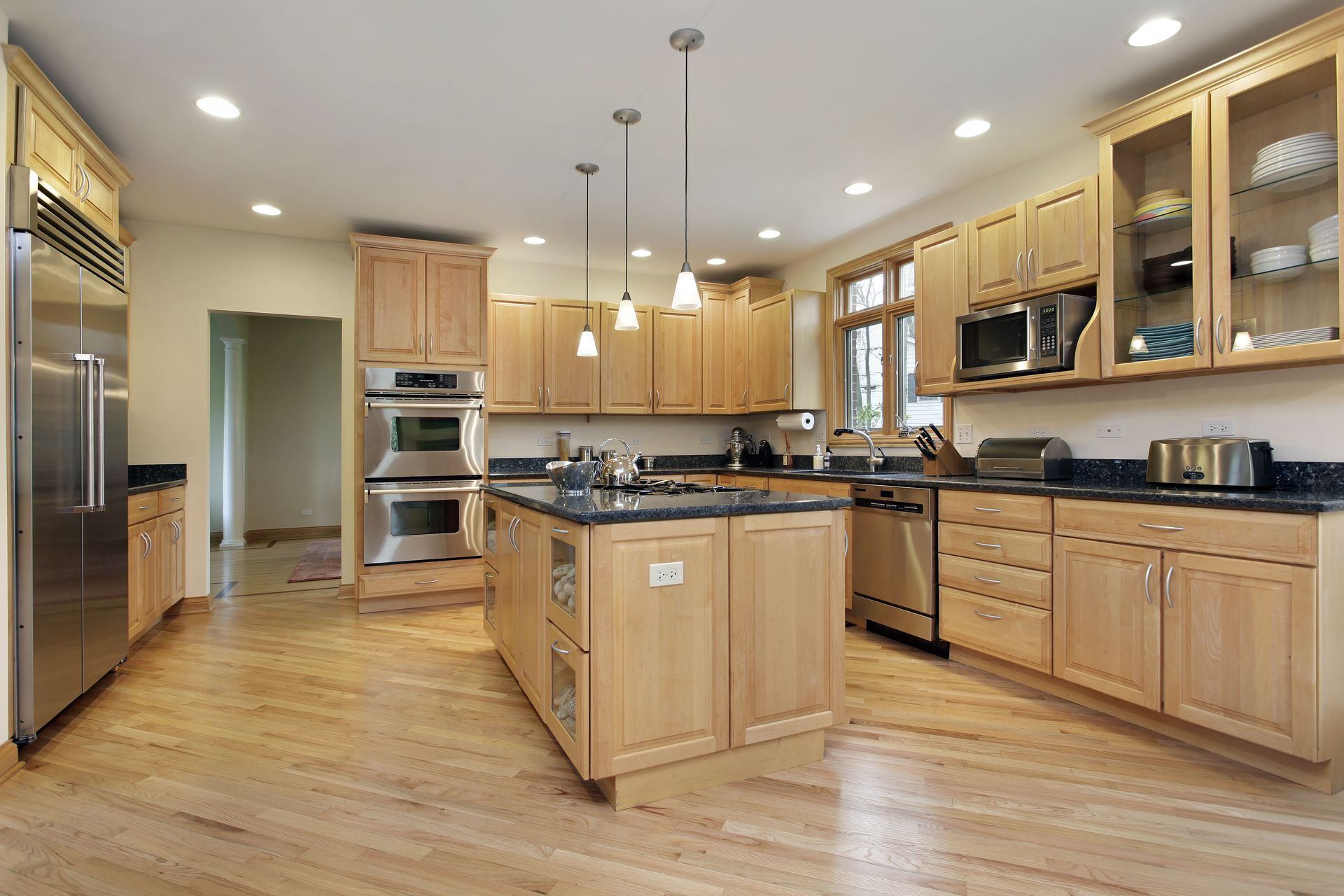
For example, an unused dining room might become a home office, homework area, or flexible guest space. A kitchen renovation may add more counter space, improve traffic flow, and create better storage for cookware and groceries. Basement improvements can provide room for recreation, exercise, work, or visiting family members.
Functionality also depends on details that are easy to overlook. Proper outlet placement, durable surfaces, efficient storage, and appropriate lighting can make rooms easier to use every day. By considering both major layout changes and smaller practical features, homeowners can create spaces that work more effectively without adding unnecessary square footage.
Modernizing Essential Home Systems
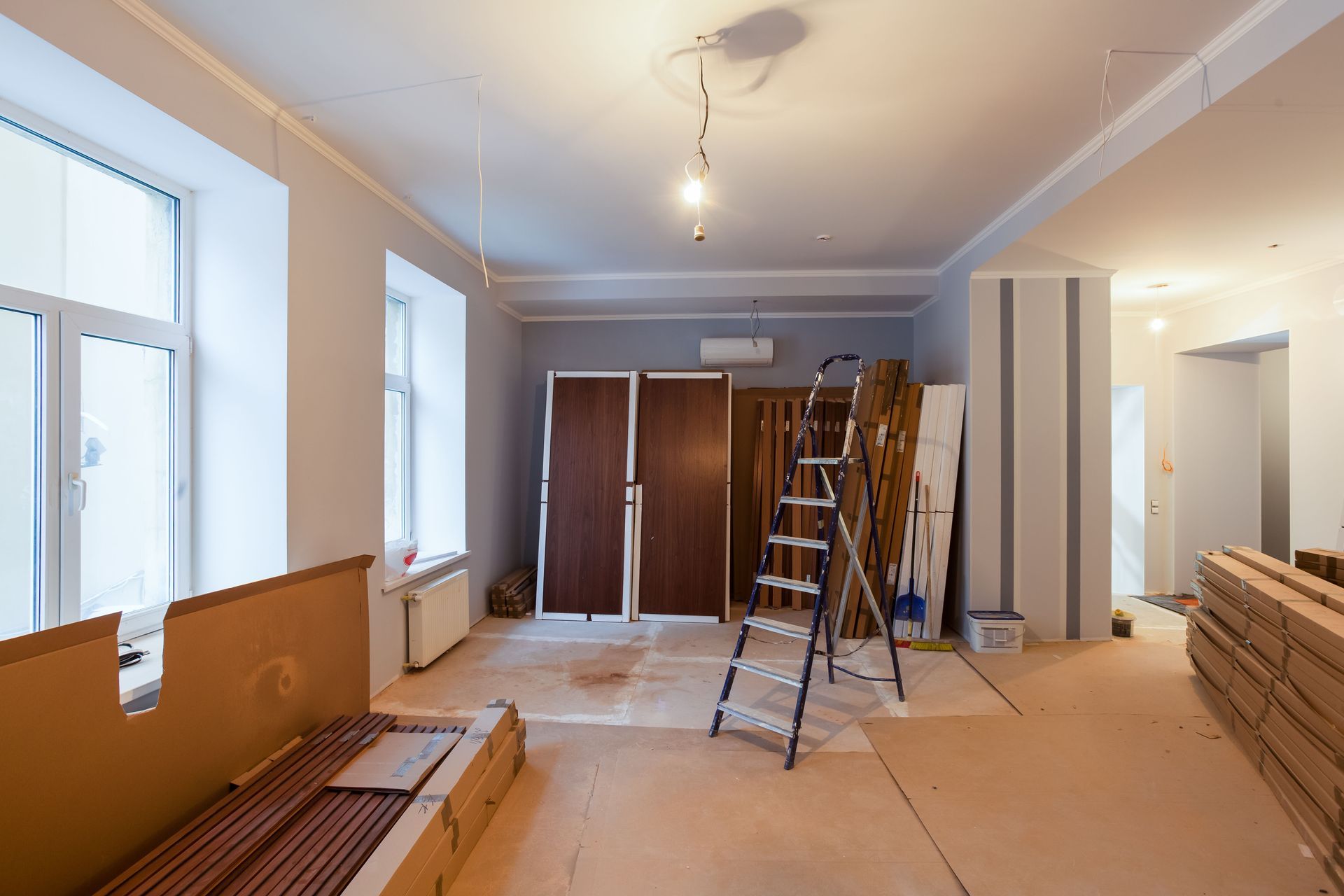
Some of the most valuable improvements are not immediately visible. Electrical wiring, plumbing, insulation, heating, cooling, and ventilation systems all affect comfort, safety, and operating costs. When these systems are outdated, home renovations provide an opportunity to update them while walls, floors, or ceilings are already being opened.
Modern systems can improve temperature control, reduce moisture concerns, and support the growing number of devices used in many households. Updated electrical panels and additional outlets may make the home safer and more convenient. Plumbing upgrades can improve water pressure, reduce leak risks, and support newer fixtures.
These improvements may also help prevent future disruptions. Replacing aging components during a planned project is often easier than responding to an unexpected failure later. Although system upgrades may not create the same visual impact as new cabinets or flooring, they can contribute significantly to the home’s long-term performance and value.
Increasing Energy Efficiency
Energy-efficient improvements can make a home more comfortable while helping control monthly utility costs. Drafty windows, insufficient insulation, aging appliances, and inefficient heating or cooling equipment can force systems to work harder than necessary. Home renovations allow homeowners to address several of these concerns as part of one coordinated plan.
New windows and doors can reduce drafts and improve indoor temperature consistency. Added insulation may help rooms stay warmer in winter and cooler in summer. Energy-efficient appliances, water heaters, lighting, and climate-control systems can also reduce unnecessary energy use.
These upgrades may appeal to future buyers who want a home that is easier and less expensive to operate. However, the immediate benefit belongs to the current household. More consistent temperatures, fewer cold spots, and improved indoor comfort can make everyday living more pleasant throughout the year. When efficiency improvements are selected carefully, they can support both personal comfort and marketability.
Strengthening Property Value
Many homeowners pursue home renovations because they want to protect or increase their property’s value. Updated kitchens, bathrooms, flooring, and exterior features can improve a buyer’s first impression and help a home compete more effectively with similar properties. Well-maintained systems and quality materials can also reassure buyers that the property has received consistent care.
Not every project produces the same return, so homeowners should consider local market conditions, the home’s current condition, and the quality of the work. Improvements that correct obvious defects or modernize heavily used spaces often provide broader appeal than highly personalized features. Neutral finishes, practical layouts, and durable materials may be easier for future buyers to appreciate.
Value also comes from preventing deterioration. Repairing water damage, replacing failing roofing, correcting structural concerns, or upgrading old plumbing can protect the property from more expensive problems. In this way, renovation is not only about increasing the sale price. It is also about preserving the home’s condition and reducing avoidable risks.
Planning Realistic Project Timelines
Careful scheduling is essential because larger projects can affect daily routines for an extended period. According to HomeGuide, a full renovation of a three-bedroom house usually takes two to eight months, depending on the home’s size and the scope of structural changes. This range shows why homeowners should enter major home renovations with realistic expectations and a detailed plan.
Timelines may be influenced by permit requirements, material availability, inspections, weather, design changes, and the discovery of hidden problems. Older homes may contain outdated wiring, damaged framing, or plumbing concerns that are not visible until work begins. Building extra time into the schedule can help reduce stress when unexpected issues arise.
Homeowners should also decide whether they can remain in the property during construction. Dust, noise, limited access to kitchens or bathrooms, and temporary utility interruptions may make alternative living arrangements necessary. Clear communication with the contractor can help residents understand each stage of the project and prepare for disruptions before they occur.
Choosing Improvements With Lasting Benefits
The most successful home renovations balance personal preferences with long-term practicality. Homeowners should begin by identifying their greatest concerns, setting a realistic budget, and separating essential repairs from optional upgrades. This approach makes it easier to direct funds toward improvements that will have the strongest impact.
Quality should also take priority over unnecessary complexity. Durable materials, skilled installation, and timeless design choices are more likely to remain useful and appealing over time. Homeowners may benefit from completing related projects together, such as updating plumbing while renovating a bathroom or improving insulation while replacing exterior siding.
Professional planning can help prevent costly mistakes, clarify project requirements, and ensure that each improvement supports the overall property. A coordinated renovation can improve comfort, functionality, efficiency, and appearance while protecting the home’s condition. By making thoughtful decisions, homeowners can enjoy the results now and preserve greater value for the future. Call Wayco Construction, Inc today to schedule your home remodeling consultation.